Special Educational Needs and/or Disabilities
At Beecroft Academy, we are passionate about providing an inclusive curriculum that all pupils can access, including those with SEND. Our school promotes and weaves into our curriculum the core British Values to ensure we are shaping our pupils' knowledge and understanding of diversity, tolerance and respect.
Inclusion is at the heart of everything we do and our bespoke curriculum reflects the diversity in our school community where everyone feels valued, accepted, respected and celebrated.
Our provisions allow all pupils, including those with SEND, to have a positive and successful learning experience, preparing them for future learning and later life. Working alongside pupils and families is a vital element of this provision.
Through the use of adaptive teaching and appropriate scaffolding, we plan and deliver learning that is accessible to all pupils, including those with SEND. We aim to develop the understanding of equality and equity and demonstrate how some pupils may need reasonable adjustments within class to be able to access their learning and experience success and achievement. Our school values are the golden thread that build and shape our pupils and the way in which they treat one another and develop an understanding of
how our differences make us unique, however, we all belong and are an important part of our school
community.
As a school, good communication is vital in ensuring we are supporting all pupils and families and therefore, our SENDCo is contactable via:
Email: sendco@beecroftacademy.co.uk
Phone: 01582 663486.
Appointments can be made to discuss any concerns, issues or questions you might have about your child's needs.
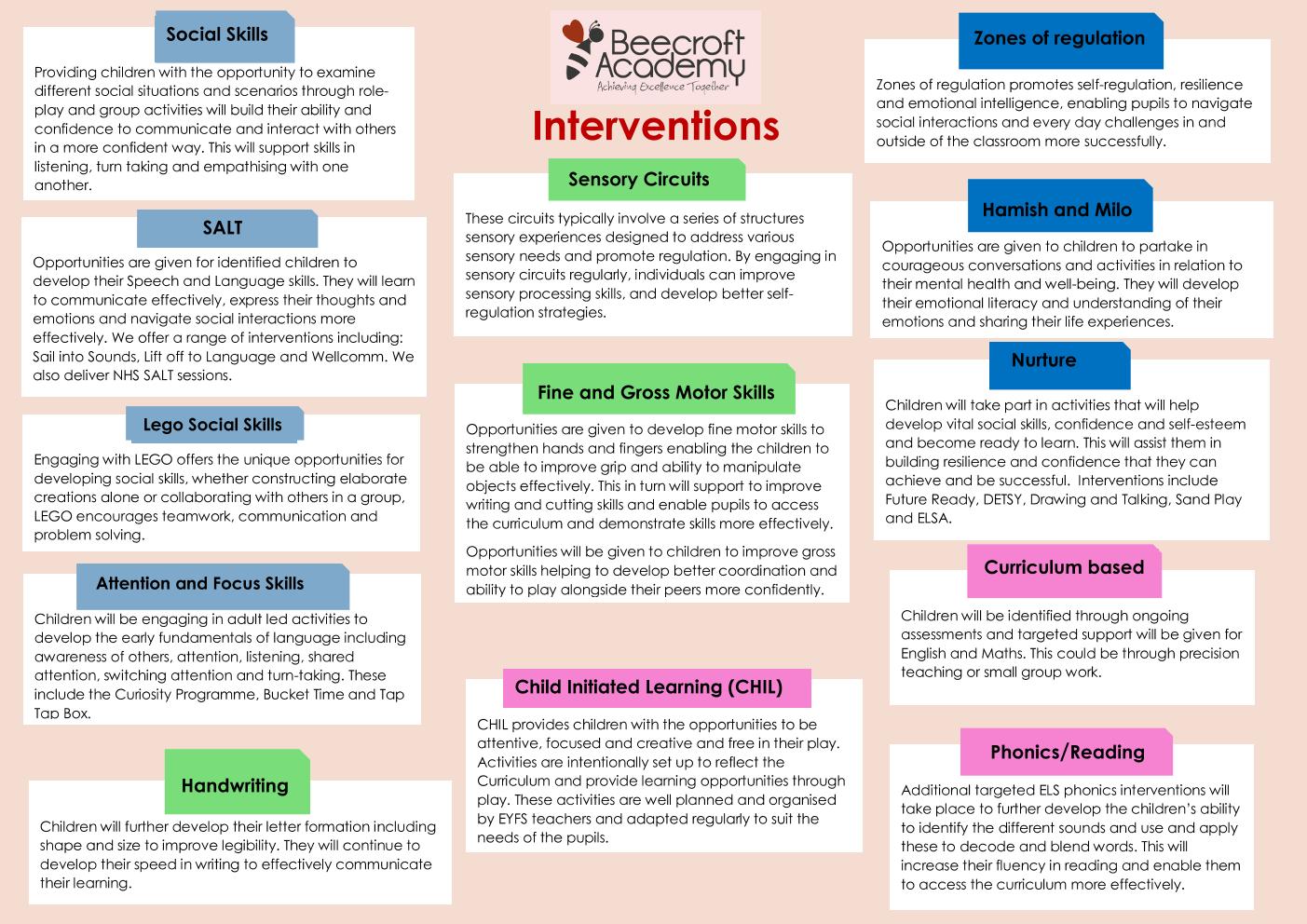
Interventions
We offer a variety of interventions to support with the specific needs including:
- Cognitive and Learning
- Communication and Interaction
- Social, Emotional and Mental Health Difficulties
- Sensory and Physical
These interventions are carefully mapped out and delivered by highly-skilled support staff members throughout the school day.

|
Interventions at Beecroft 2025-26 | [pdf 142KB] |

|
The Hive
The Hive (consisting of Butterfly Class and Caterpillar Class) supports children with their social, emotional and mental well-being. Specific interventions are mapped out and offered to our pupils including social skills and friendship groups. This hub is also used to support children who find learning in the classroom environment challenging.
In collaboration with the SENDCo and Well-Being Team, The Hive consists of a strong team of support staff members who lead on the organisation of groups and sessions that take place.
Butterfly Class
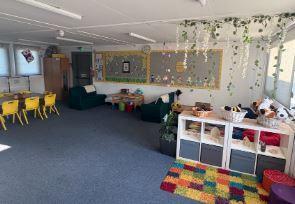
Butterfly Class provides an environment that caters for children's social, emotional and mental health needs. This includes a calm space, sensory regulation tools, bean bags and access to resources to support them in communicating their feelings in a positive way such as the use of the worry monster and feelings flowers. This provides the ideal quiet space to carry out our interventions.
Caterpillar Class
Caterpillar Class mirrors our Early Years curriculum offer to support those children who are unable to access the learning fully within the classroom.
Early Years staff, alongside the SENDCo, ensure that the children accessing this provision have the opportunities they need to develop their listening and attention and communication skills. We have thought carefully about what is on offer in this provision in collaboration with advisors from CBC and specialist provision.

Regulation Station
Our regulation station is a designated, adult supervised, positive space with tools and activities that help students self-regulate emotions.


Mindfulness Club
During our lunchtimes, we understand that some children can find going out on the playground overwhelming or struggle with social interactions with their peers. The Hive team offer a mindfulness lunch club where pupils are able to come into the library, read books, colour or complete activities that support them in their interactions with others and enable them to have positive experiences during their free time.
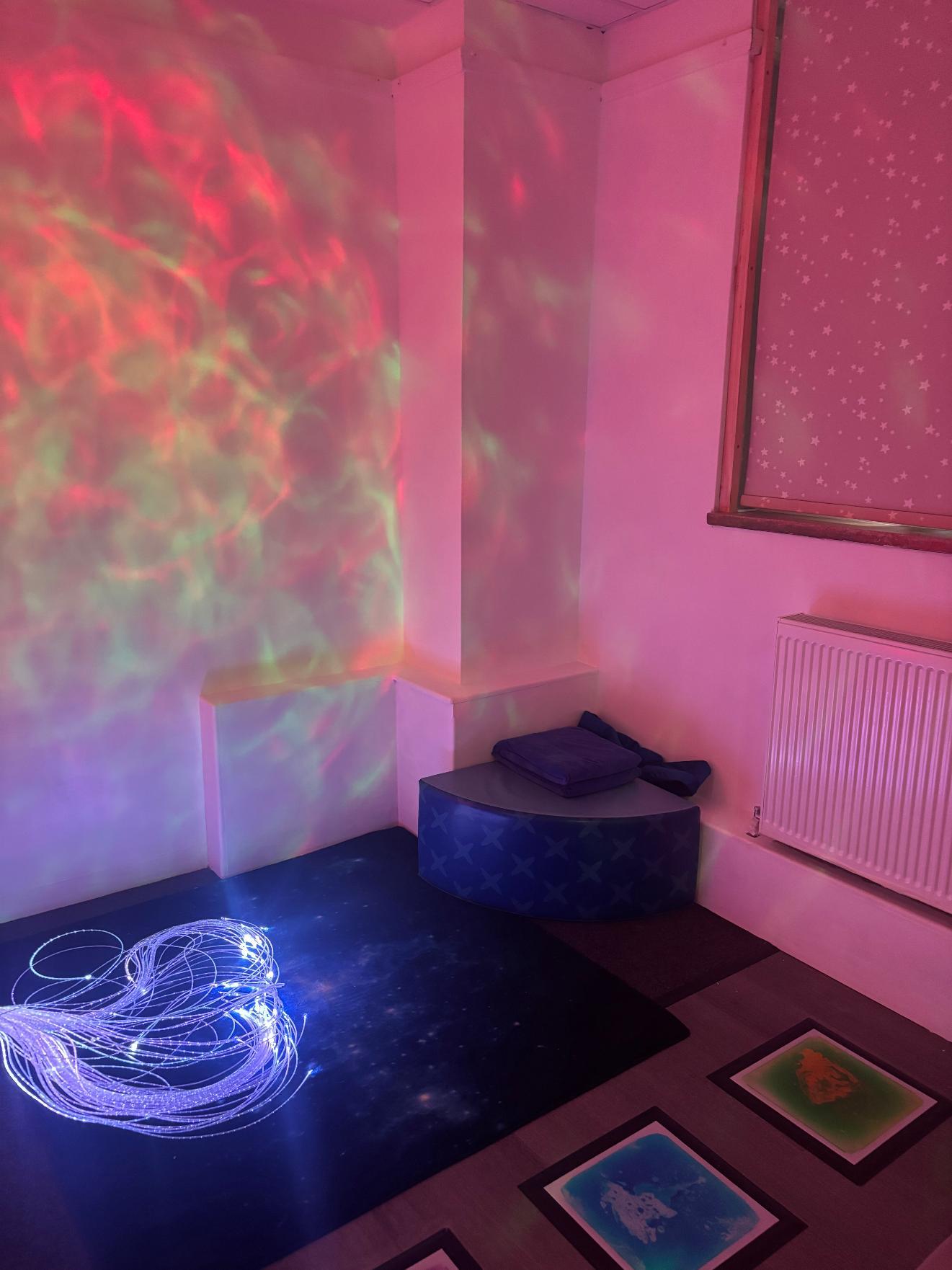
Sensory Room
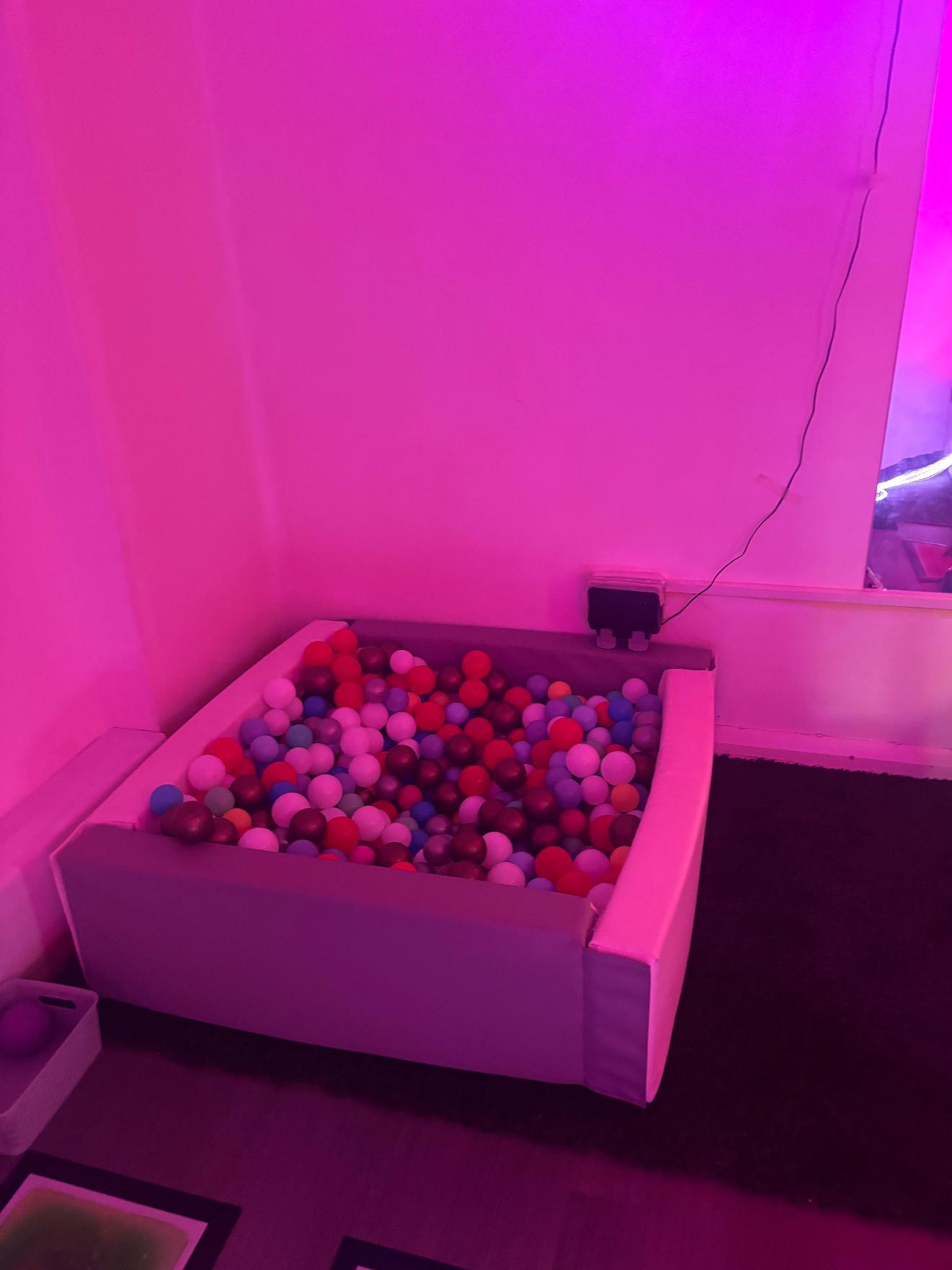
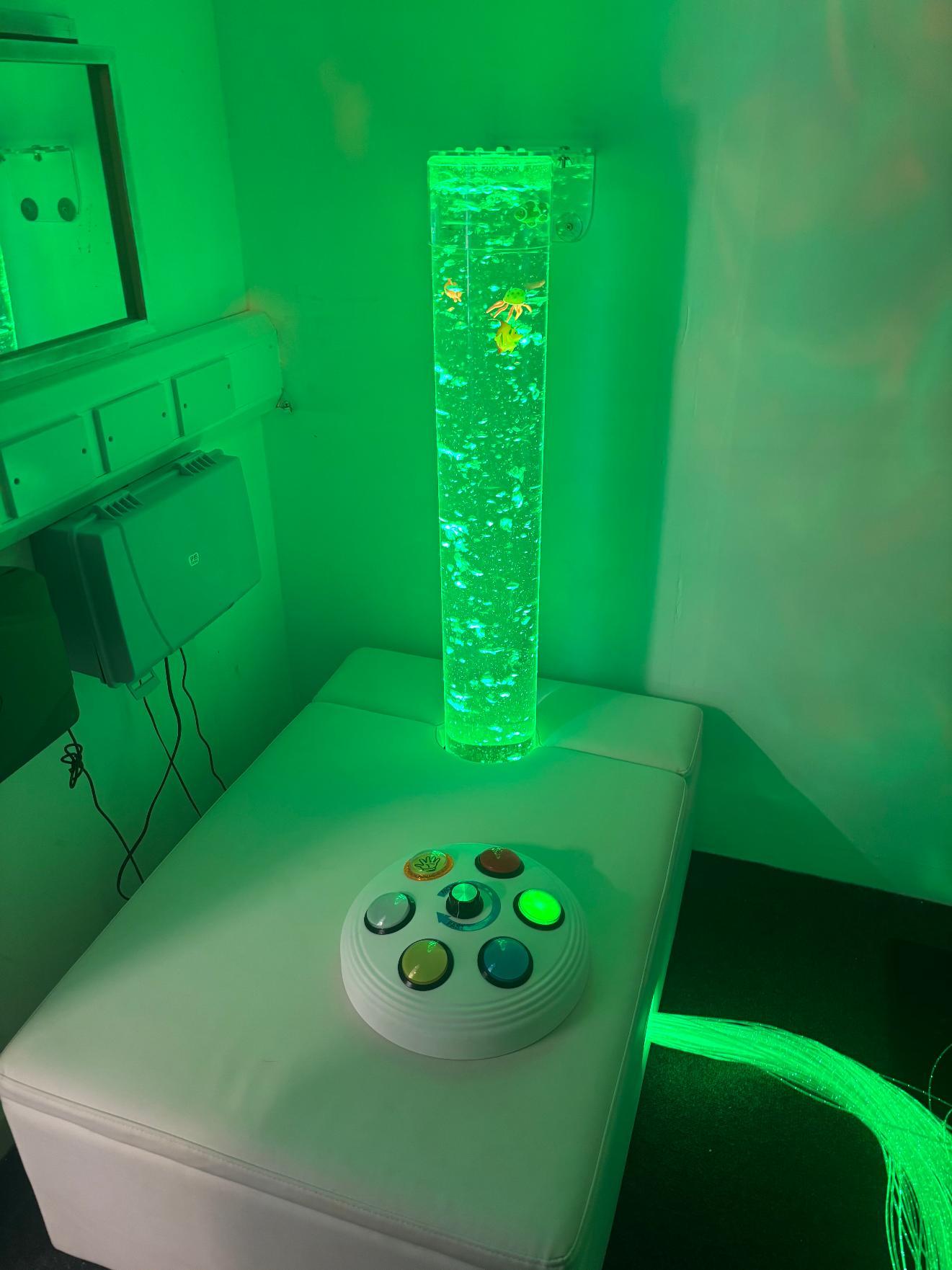
Our Sensory Room has been much improved thanks to the Tesco Blue Token Scheme. It helps our children with their emotional regulation, improves their focus and reduces stress.




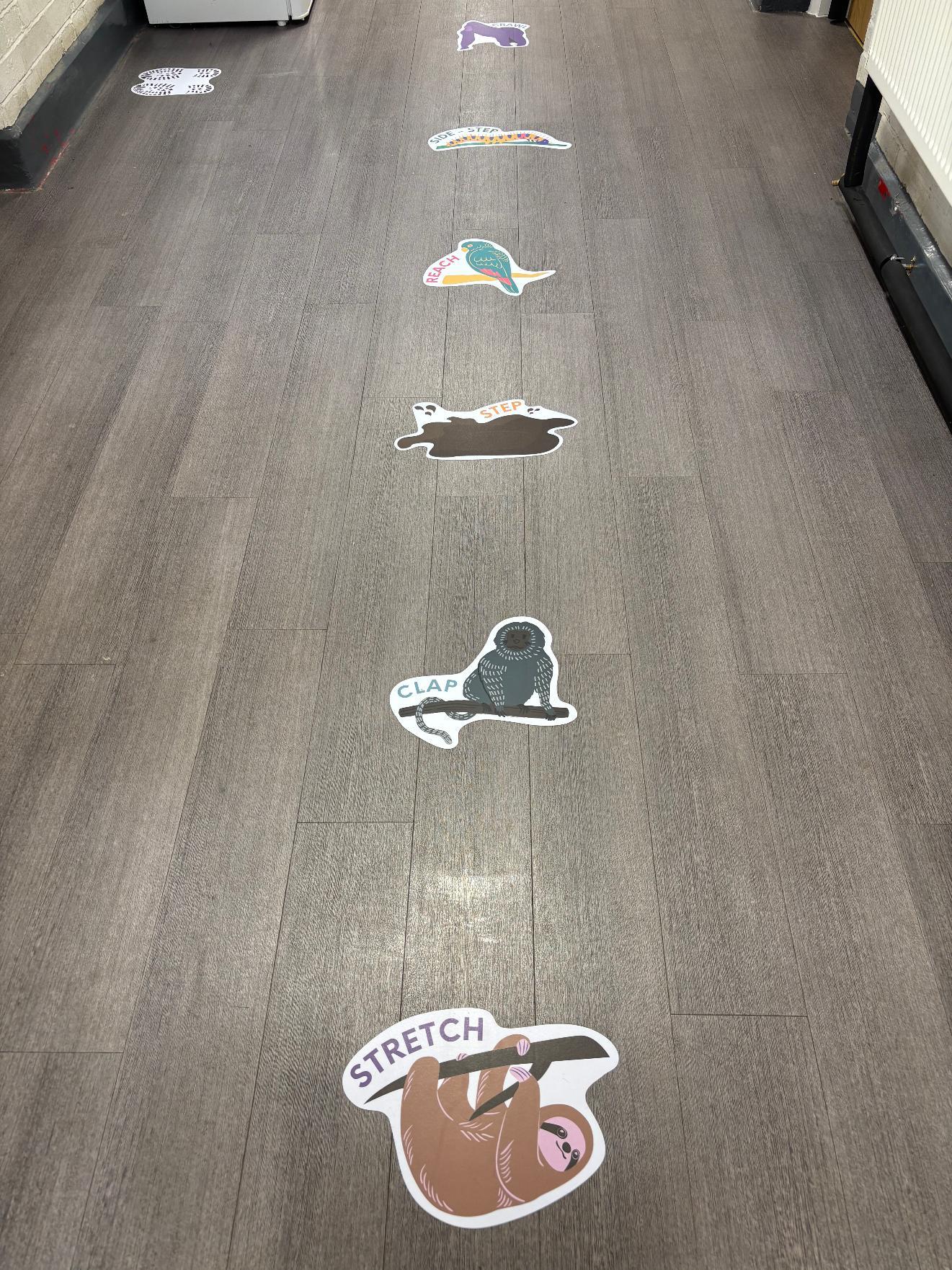
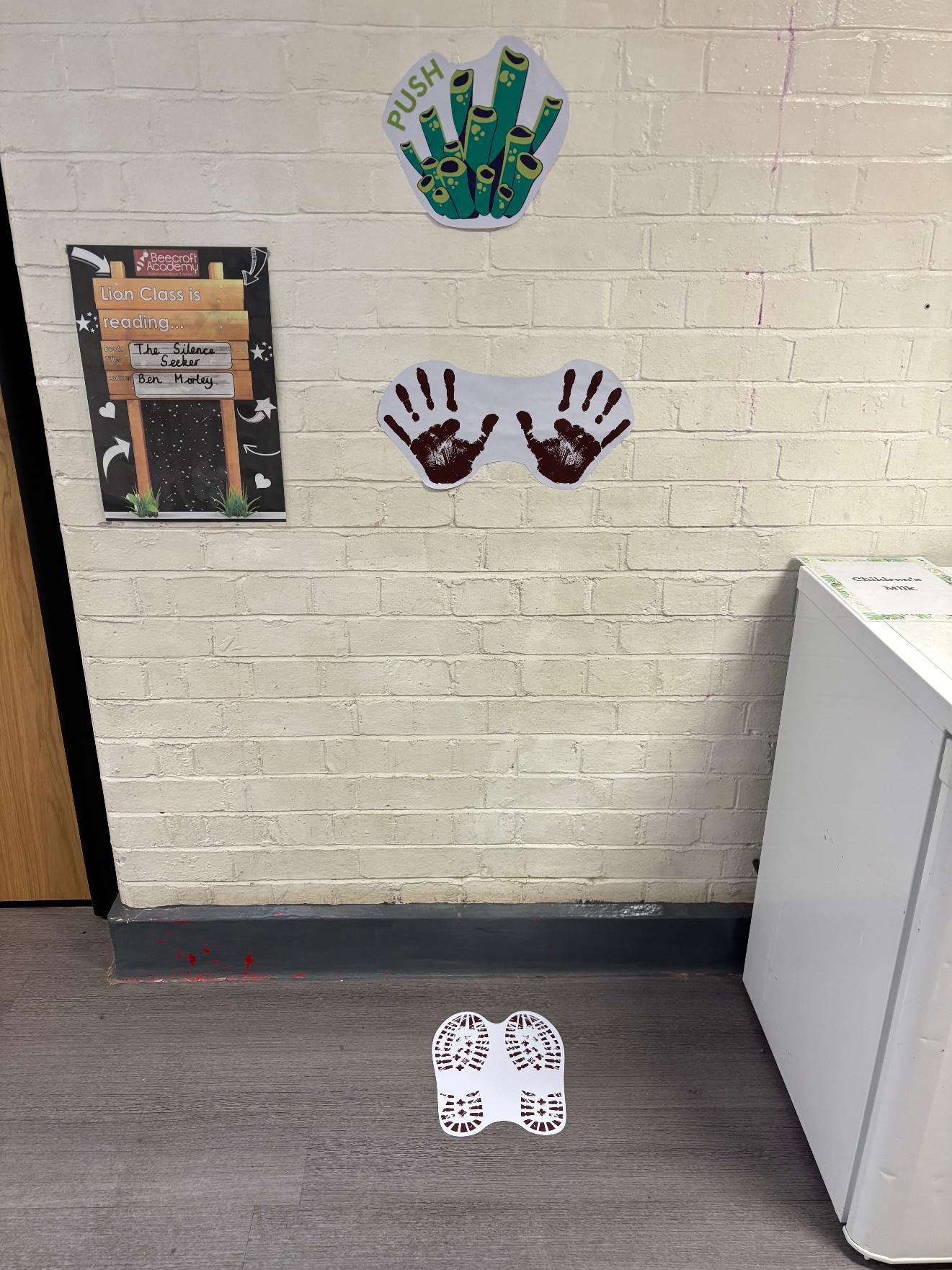
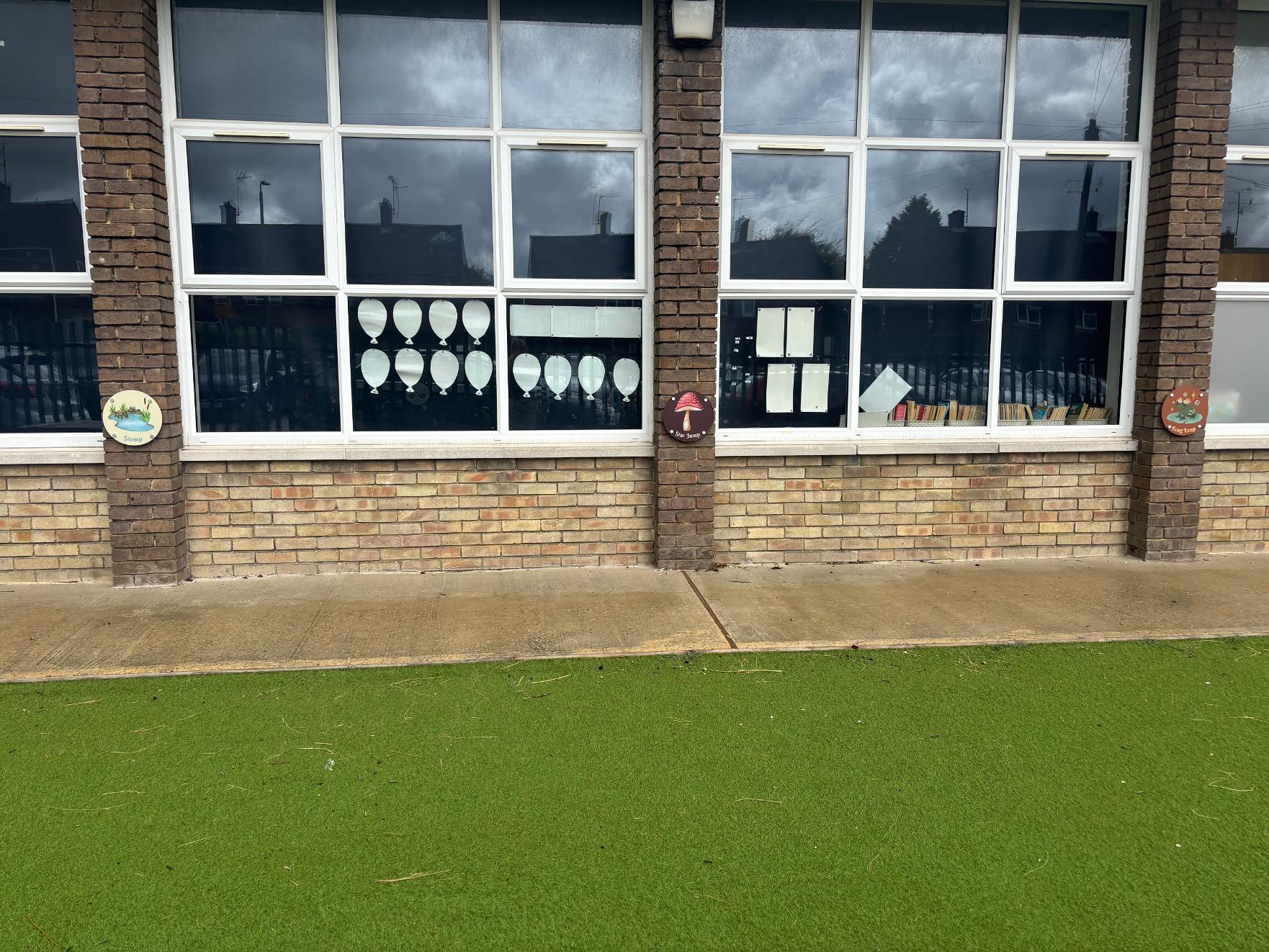
Sensory Street
We have three Sensory Streets: two inside and one outside. These enable children to have a movement break to help them manage their senses, improve body control and calm their emotions.


Role Play Room
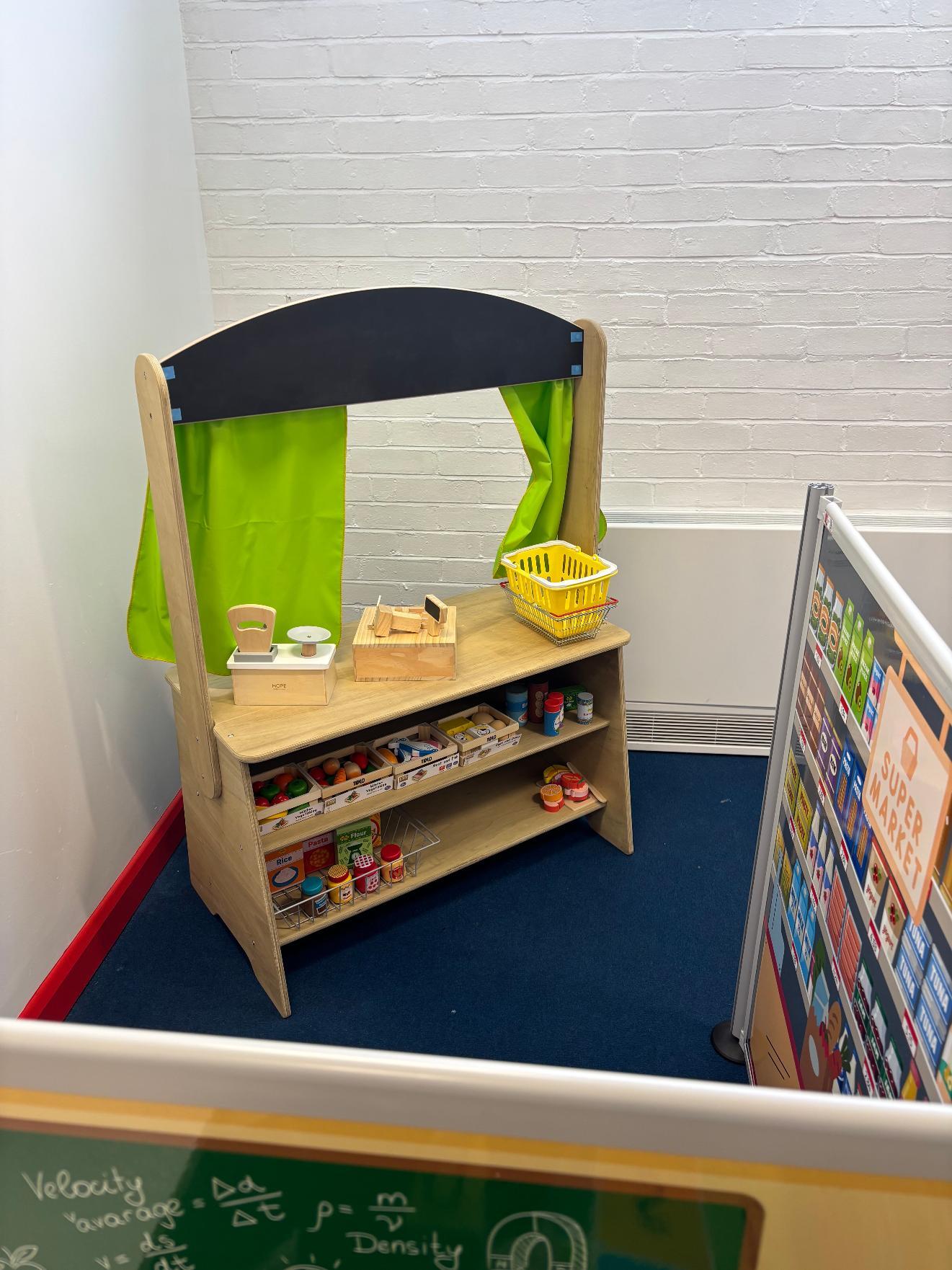
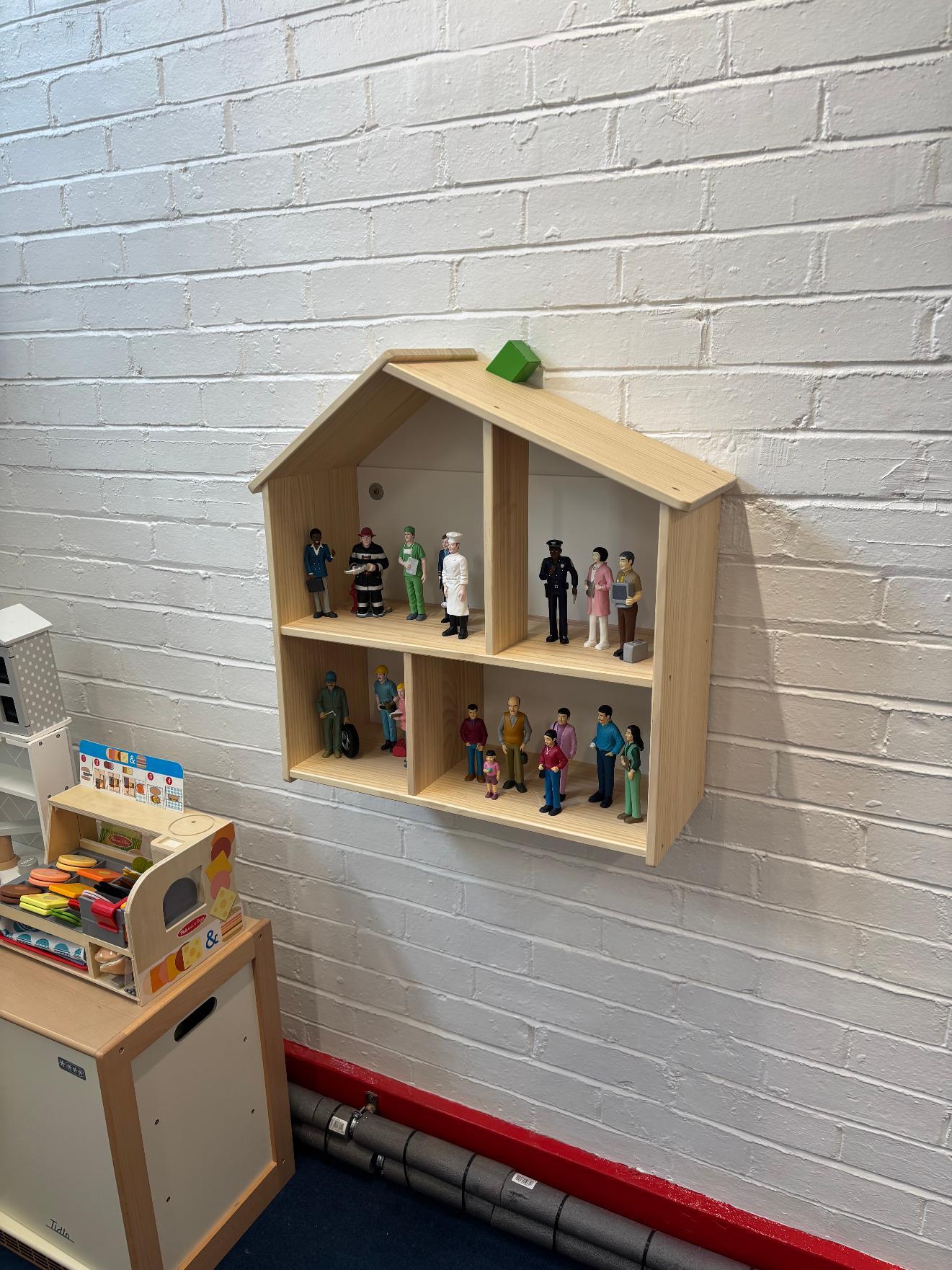
Our role play room enables children to improve their social skills, language and communication and imagination.



SEND Information Report
Please refer to our SEND Information report for further information about what we offer for our children and families. This includes the processes and procedures to demonstrate where we use our best endeavours to meet the needs of all children, including those with SEND. Our FAQs sheet below also provides useful information and help.
|
|
SEND Information Report | [pdf 256KB] |
|
|
|
SEND FAQs | [pdf 617KB] |
|
SEND Newsletters
|
|
Newsletter - SEND - February 2026 | [pdf 848KB] |
|
Dyslexia and Dyscalculia
GL Dyslexia Screener
Identifies dyslexic tendencies and recommends intervention strategies, helping pupils achieve their potential.
Dyslexia Screener is an initial screener for teachers concerned about a pupil’s literacy progress. Standardised to ensure accurate benchmarks, the assessment can be used to screen year groups or for individual pupils whose performance in literacy is causing concern. It distinguishes between general literacy difficulties and those associated with dyslexia. Comprising six digital tests, it identifies whether a pupil would benefit from further diagnostic assessments.
We used an assessment called the Dyslexia Screener (part of the GL Assessment package.) This isn’t a full diagnostic assessment so isn’t meant to tell us if your child definitely does or doesn’t have dyslexia, but it does help to give us an indication of any difficulties they might have.
Your child completed six short tests,each measuring something different:
- Missing Pieces- problem solving with shapes
- Word sounds- identify individual sounds within words
- Spelling - select letters to correctly spell words or parts of words
- Visual Search - speed test to see if the pupil can process simple visual information
- Reading - tests recognition of spoken words and asks the pupils to select the correct word to complete a sentence
- Vocabulary- knowledge of word meanings
When your child finished the assessment on the computer, a report was produced. A copy of this report is included for you to look at. This tells us how your child did, and whether or not there are any signs that they may be dyslexic. The teachers in school will use this information to help support your child with their learning.
Dyslexia can only be diagnosed through diagnostic assessment by a certified dyslexia assessor. Therefore, if you would like to explore a formal diagnosis, The British Dyslexia Association can offer advice and arrange diagnostic assessments. Details below.
https://www.bdadyslexia.org.
T: 0333 405 4555